Best Deck Railing Designs in the US: Architectural Style & System Analysis
Designing elevated outdoor deck perimeters requires balancing structural integrity, municipal code compliance, property architecture, and environmental exposure. Guardrail systems act as critical life-safety barriers that protect occupants while defining the outer edge of outdoor living areas. Best Deck Railing Designs in the US. Choosing an improper design often creates ongoing maintenance problems, blocks surrounding landscape views, or causes premature structural joint failure.
The American residential building market features a wide variety of guardrail systems, ranging from traditional timber pickets to modern engineered aluminum and cable setups. Each architectural region introduces unique performance demands dictated by local weather patterns, humidity cycles, and structural code requirements. Coastal salt spray, heavy mountain snow loads, and intense desert sun each challenge deck perimeter materials in distinct ways.
Selecting an optimal railing system requires evaluating material characteristics, substructure mounting options, post layout engineering, and long-term upkeep expenses. Looking past surface appearance allows property owners and builders to choose guardrail designs that preserve architectural style while delivering decades of structural performance.
Understanding “best deck railing designs in the us”
Architectural Integration Scope
Evaluating best deck railing designs in the us requires looking beyond visual trends to examine how perimeter designs interact with home architecture. A sleek, horizontal cable system fits modern minimalist homes, but often clashes visually with historical Victorian or traditional craftsman properties.
Perimeter railings shape the outer profile of an outdoor deck. Selecting proper post caps, top handrail profiles, and infill materials creates visual harmony between outdoor structures and primary residential architecture.
Microclimate Material Performance
A guardrail design that excels in dry inland regions may fail prematurely in humid coastal zones. Pressure-treated softwood pickets warp and rot quickly in humid southeastern coastal settings, whereas powder-coated aluminum resists marine air corrosion effectively.
Similarly, high-altitude mountain environments present intense ultraviolet exposure and heavy snow accumulation that flex thin infill panels. Identifying ideal railing options requires matching material chemistry to local climate conditions.
Structural Compliance Integrity
Building codes enforce strict structural safety standards for elevated deck guardrails across all American jurisdictions. Municipal regulations mandate that top handrails withstand a concentrated 200-pound lateral force while keeping infill gaps under four inches.
High-end custom designs must satisfy safety regulations without compromising visual lines. True architectural mastery achieves full code compliance using efficient structural framing that elevates overall deck aesthetic.
Regional Architectural History and Systemic Evolution
Colonial and Craftsman Timber Traditions
Residential deck guardrails were historically hand-crafted from regional softwoods such as cedar, redwood, and southern yellow pine. Early American carpenters hand-cut 2×2 vertical pickets, top handrails, and bottom support plates, securing posts to rim joists using simple fasteners.
These site-built softwood systems carried low initial material purchasing costs, but required constant maintenance to resist weathering. Furthermore, thick vertical wood pickets blocked visual sightlines, creating heavy perimeter boundaries around outdoor decks.
Suburban Modernization and Synthetics
The expansion of suburban residential construction during the late twentieth century drove demand for low-maintenance building materials. Manufactured vinyl sleeves, synthetic composite profiles, and pre-punched aluminum rail kits entered the market as alternatives to wood carpentry.
Factory-engineered systems shifted fabrication from job sites to manufacturing plants. Modular kits standardized baluster spacing and mounting brackets, accelerating installation while eliminating site sanding and painting.
Contemporary Architectural Transparency
Modern residential design emphasizes clear sightlines, blending indoor living areas with outdoor natural surroundings. The rise of horizontal stainless steel cable arrays, frameless glass panels, and thin powder-coated steel balusters reflects this shift toward open views.
Contemporary designs treat perimeter barriers as light architectural accents rather than solid walls. Engineering advancements allow thin metal extrusions and high-tensile cables to meet strict lateral load codes while keeping visual profiles slim.
Analytical Frameworks for Guardrail Selection
The Sightline Transparency Index
Sightline transparency measures how effectively an infill system preserves surrounding landscape views from seated positions on a deck.
High sightline transparency requires specialized structural posts and high-tensile hardware. Lower transparency options cost less, but create visual barriers around outdoor platforms.
Life-Cycle Value Calculations
Evaluating financial investments requires comparing initial material purchase costs against total lifetime maintenance expenses.
Low-cost softwood railings require regular staining, sealing, and board replacements over their service life. Premium powder-coated aluminum demands higher upfront capital, but eliminates routine painting expenses over decades of use.
Structural Load Transfer Dynamics
Force applied to a top handrail transfers through vertical posts into internal rim joist blocking. Long continuous top handrails distribute lateral push loads across multiple support posts.
Continuous top caps allow builders to use lighter post profiles along straight runs while maintaining structural stiffness. Splitting top caps between posts requires stiffer individual posts, raising overall material costs.
Primary Structural Railing Categories and System Dynamics
Pressure-Treated and Cedar Lumber
Site-built timber railings represent a classic architectural choice for traditional American homes. Custom carpenter joinery allows builders to cut detailed top cap profiles and craft decorative post caps on site.
However, softwoods absorb environmental moisture, causing pickets to warp, split, and check over time. Regular staining, sealing, and screw tightening are required to maintain structural integrity and visual appeal.
Powder-Coated Extruded Aluminum
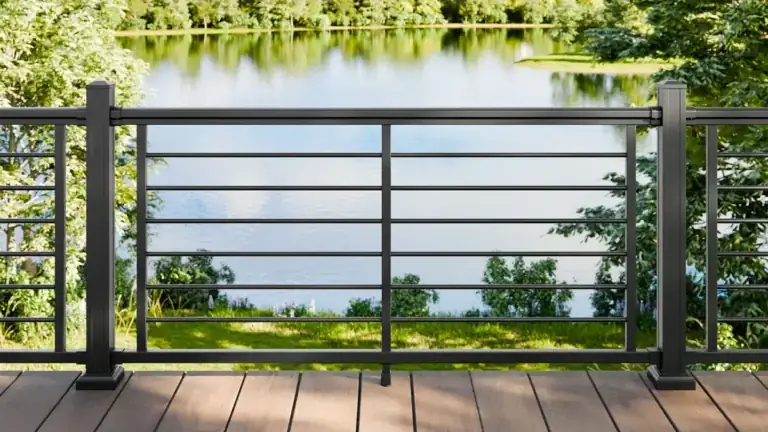
Pre-engineered aluminum railing systems balance lightweight strength, corrosion resistance, and crisp architectural lines. Factory powder-coated finishes prevent surface oxidation, eliminating repainting cycles across harsh weather conditions.
Pre-assembled aluminum panels slide into pre-punched post channels, lowering job-site labor hours. Aluminum extrusions carry higher material costs than raw wood, but save money through fast assembly and zero painting upkeep.
Synthetic Composite Framing
Composite guardrail systems feature heavy wood-plastic polymer sleeves fitted over internal structural steel or aluminum posts. These components match composite decking boards, resisting moisture absorption, rot, and insect damage.
Synthetic composite parts carry high initial purchase prices and require specialized mounting brackets. Their heavy weight increases shipping costs, though they offer excellent durability with low seasonal maintenance.
Horizontal Stainless Steel Cable
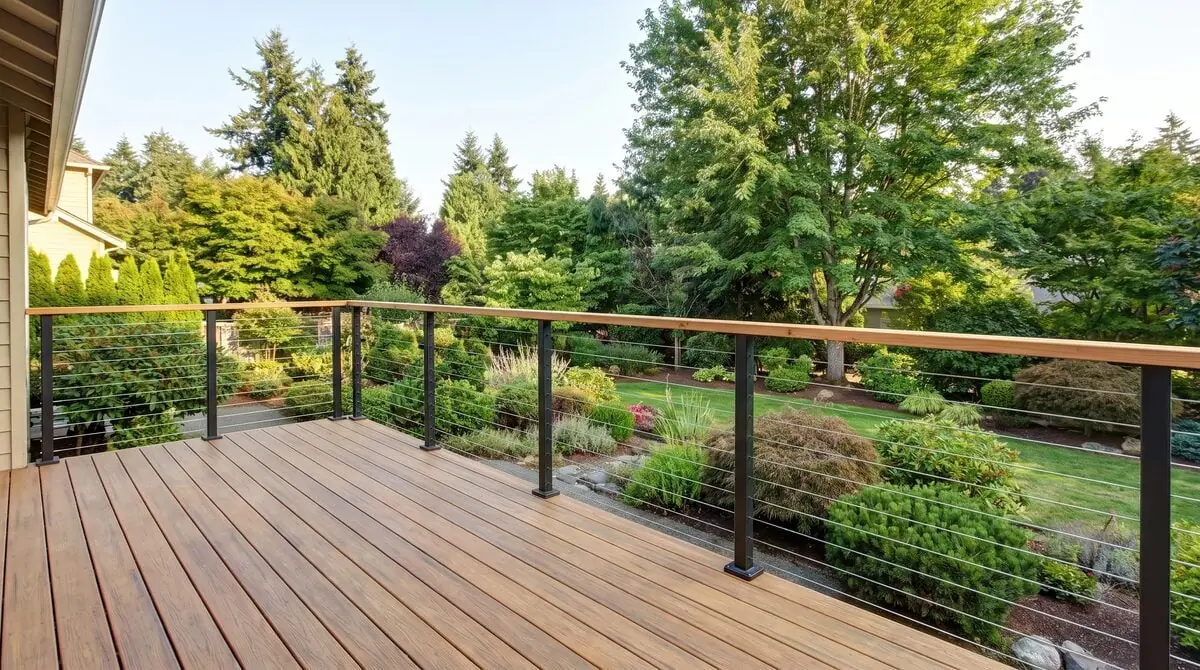
Horizontal cable infill uses thin 316-grade stainless steel wire threaded through wood or metal support posts. Cable arrays preserve open scenic views, giving outdoor spaces a modern architectural feel.
Cable systems require high initial capital due to expensive stainless steel turnbuckles and tensioning fittings. End posts must be heavily reinforced to handle cumulative wire tension forces, adding substructure blocking costs.
Structural Tempered Safety Glass
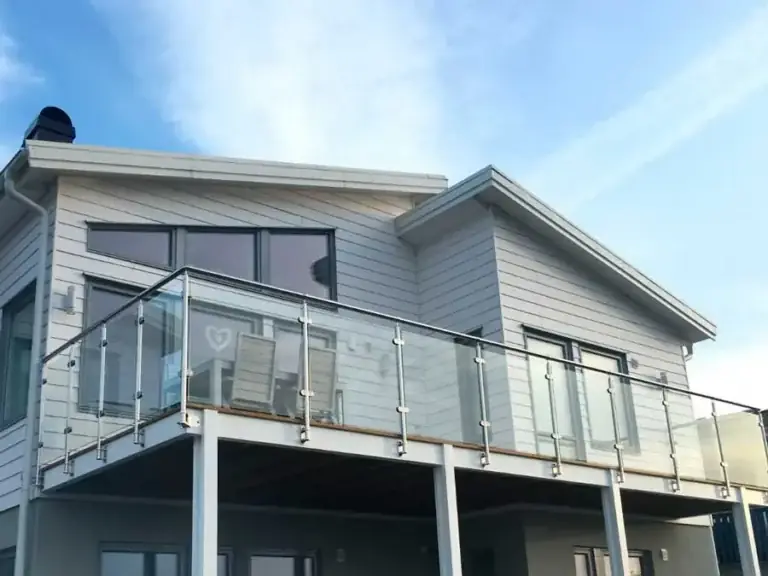
Frameless or post-mounted tempered glass panels deliver maximum wind protection and uninterrupted panoramic views. Solid safety glass blocks cold breezes while allowing full visibility of surrounding natural scenery.
Glass panels require heavy structural mounting channels and precise field installation routines. Solid panels absorb high wind loads during storms, requiring stronger substructure post anchoring.
Guardrail System Performance Comparison
| Infill System Category | Upfront Material Cost | View Transparency Level | Maintenance Level | Estimated Service Life |
| Traditional Softwood | Low | Low (Thick pickets) | High (Staining/sealing) | 10 to 15 Years |
| Powder-Coated Aluminum | Moderate | Moderate (Thin balusters) | Low (Seasonal wash) | 20 to 30+ Years |
| Engineered Composite | High | Low to Moderate | Low (Seasonal wash) | 20 to 25 Years |
| Horizontal Steel Cable | High to Very High | High (Minimal wires) | Moderate (Cable checks) | 25+ Years |
| Tempered Safety Glass | Very High | Maximum (Solid panel) | Low (Glass cleaning) | 20 to 30+ Years |
Decision Logic for System Selection
Selecting best deck railing designs in the us requires matching guardrail performance traits to property architecture, view priorities, and local climate patterns.
Mountain Coastal Scenic Overlook
-
Install horizontal stainless steel cable arrays anchored into powder-coated aluminum posts to preserve natural views.
-
Ensure end posts are reinforced with internal steel inserts to prevent post bowing under cable tension.
Traditional Suburban Craftsman Residence
-
Use synthetic composite posts and top caps fitted with round black aluminum balusters to match home trim details.
-
Select pre-assembled drop-in baluster panels to reduce installation labor hours and speed up assembly.
High-Wind Waterfront Platform
-
Mount thick tempered safety glass panels into continuous aluminum base shoes to block wind while preserving sightlines.
-
Through-bolt heavy base channels into double rim joists backed by solid internal joist blocking.
Real-World Field Scenarios and Architectural Integration
High Elevated Deck Structures
Elevated multi-story decks demand strict structural safety compliance, as fall risks are significantly higher than ground-level platforms. Building guardrails on elevated decks requires fall protection safety rigging, which increases labor installation times.
Contractors lower costs on elevated decks by using lightweight modular aluminum panels that two-person crews can lift and install quickly. Using standard prefabricated post bases avoids custom welded plate fabrication.
Low Ground-Level Platforms
Building codes often exempt residential platforms under 30 inches above grade from mandatory guardrail requirements. Homeowners can eliminate guardrail expenses on low platforms by substituting wide perimeter steps or built-in seating benches.
When guardrails are chosen for low decks, builders can use lighter non-structural privacy screening or lower-cost site-cut wood pickets, as fall-safety loading standards are less severe.
Retrofitting Weathered Framing Substructures
Upgrading old wood railings without replacing existing deck joist framing presents structural challenges. Old rim joists often lack internal wood blocking, requiring structural framing retrofits before new post plates can be secured safely.
Installers control retrofit costs by using surface-mounted post base plates secured with structural lag screws driven into newly added internal blocking. Reusing solid existing support posts while swapping out rotted wood pickets for metal balusters keeps material costs low.
Marine Coastal High-Wind Settings
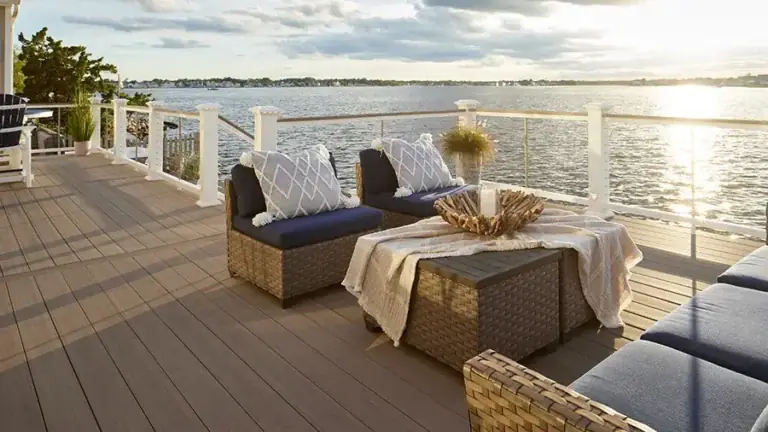
Coastal salt spray corrodes low-grade carbon steel hardware, while ocean winds exert high lateral push pressures against solid railing infills. Using cheap fasteners in marine environments leads to rapid hardware shear failures.
Builders save long-term repair money in coastal zones by investing upfront in 316-grade stainless steel fasteners and anodized aluminum posts. Avoiding solid glass or dense privacy panels keeps wind resistance low, preventing structural post damage.
Financial Planning, Resource Dynamics, and Installed Costs Best Deck Railing Designs in the US
Direct Material Expenditures
Direct material purchases include support posts, top handrail caps, bottom tracks, infill components, post base covers, mounting brackets, and structural lag bolts. Purchasing individual pieces piecemeal drives up material expenses.
Contractors save money by buying complete pre-packaged railing kits or purchasing components in bulk bundles. Ordering standard off-the-shelf colors like black or white avoids custom powder-coat factory setup surcharges.
Specialized Labor Overhead
Labor costs depend directly on railing design complexity, hardware counts, and field joinery requirements. Custom welded steel or site-built mortised wood railings demand skilled trade labor over many work days.
Pre-engineered modular railing systems use snap-in tracks and drop-in brackets, allowing general laborers to assemble perimeter barriers quickly. Reducing site installation hours directly lowers total contractor labor bills.
Linear Foot Installed Cost Ranges
| Guardrail Design Category | Material Cost / Lin. Ft. | Labor Cost / Lin. Ft. | Maintenance / 5 Years | Estimated 20-Year Total Expense |
| Site-Built Treated Pine | $15 to $30 | $25 to $45 | $15 to $30 | $55 to $105 |
| Hybrid Wood & Metal Baluster | $25 to $45 | $20 to $40 | $10 to $20 | $55 to $105 |
| Modular Powder-Coated Aluminum | $35 to $65 | $15 to $35 | $2 to $5 | $52 to $105 |
| Composite Frame Assembly | $55 to $95 | $30 to $60 | $3 to $8 | $88 to $163 |
| Horizontal Stainless Cable | $65 to $120+ | $40 to $80 | $5 to $12 | $110 to $212+ |
| Tempered Glass Panel | $120 to $220+ | $75 to $145+ | $2 to $8 | $197 to $373+ |
Installation Tooling, Hardware Assemblies, and Support Systems
Essential Field Tooling Assemblies
Having the right tools speeds up field installation, reduces material waste, and ensures structural post connections meet code safety standards.
-
Carbide-Tipped Miter Blades: Cleanly cut aluminum extrusions and composite sleeves without tearing metal edges or melting synthetic resins.
-
Calibrated Torque Wrenches: Drive structural post lag bolts to exact manufacturer specifications, preventing wood fiber stripping.
-
Hydraulic Cable Crimpers: Fasten stainless steel end fittings onto cable lines securely, preventing wire slippage under tension.
-
Precision Laser Levels: Keep post height top caps aligned across long perimeter runs, preventing handrail height variations.
-
Hot-Dipped Galvanized Bolts: Structural fasteners used with wide washers to secure post base plates into internal joist blocking.
-
Neoprene Isolation Gaskets: Placed beneath metal base plates to prevent direct contact with pressure-treated lumber, stopping galvanic corrosion.
Workflow Execution Optimization
Streamlining installation workflows reduces field labor hours and avoids costly site mistakes.
-
Pre-Marking Post Locations: Layout all post positions along the deck perimeter before drilling holes, ensuring post spans stay uniform.
-
Pre-Assembling Panel Sections: Put together infill balusters and top rails on flat deck boards before dropping complete sections into post brackets.
-
Using Jig Templates: Cut wood blocking and drill post mounting holes using custom job-site jigs to keep installation cuts precise and repeatable.
-
Bulk Cutting Components: Measure total runs and batch-cut balusters or top caps all at once to save tool setup time.
Risk Landscape, Failure Modes, and Environmental Pitfalls
Unreinforced Joist Structural Failure
The most costly structural mistake in railing construction is anchoring support posts to single rim joists without internal wood blocking. Surface posts screwed through decking boards into unreinforced framing flex under light pressure.
Over time, leverage forces pull fasteners loose, twisting the outer rim joist and loosening the post. Fixing wobbly posts after decking is installed requires tearing up deck boards, adding retrofit labor expenses.
Structural Post Mounting Physics
Securing vertical posts demands anchoring directly into the deck’s substructure to handle rotational leverage forces effectively:
-
Unreinforced Rim Mounting: Post base plate is screwed through surface boards into an unblocked rim joist. Applied force pulls fasteners loose, twisting the rim joist and failing safety inspections.
-
Reinforced Structural Mounting: Post base plate is through-bolted into a double rim joist backed by solid internal wood blocking. Applied force transfers safely into the main deck framing.
Excessive Post Spans and Deflection
Excessive post spacing lowers post costs, but spacing posts beyond manufacturer structural limits causes top handrails to bow under pressure. Loose top rails fail code inspection tests and create safety hazards for occupants.
Remediating rail deflection forces contractors to install mid-span support posts after initial construction is finished. This retrofitting work doubles base plate costs and adds unexpected labor expenses.
Dissimilar Metal Galvanic Decay
Mounting aluminum posts directly to wet pressure-treated wood using carbon steel screws triggers galvanic corrosion. Copper chemicals in treated wood react with aluminum and steel when moisture is present.
Galvanic corrosion destroys screw threads and blisters powder-coated base plates within a few seasons. Using stainless steel fasteners and non-conductive isolation pads prevents early hardware failure.
Governance, Maintenance, and Asset Preservation
Annual Safety Inspections
Maintaining perimeter safety requires annual inspections to spot loose hardware, structural wood decay, or material fatigue early.
-
Post Base Stability Audit: Apply lateral pressure to vertical posts to detect base plate flex, loose bolts, or framing movement.
-
Fastener Tightness Check: Inspect visible lag screws, bracket bolts, and cable fittings, retightening hardware loosened by wood shrinkage.
-
Infill Clearance Verification: Measure gaps between balusters to confirm spacing remains strictly under four inches under pressure.
-
Coating Surface Check: Inspect powder coat finishes for chips, scratches, or underlying metal oxidation around base plates.
-
Drainage Hole Clearing: Ensure weep holes at post bases remain clear of dirt and leaves to prevent internal water freezing.
Seasonal Maintenance Routines
Simple routine care protects guardrail surfaces and extends service life across all material types.
-
Surface Washing: Rinse powder-coated aluminum, composite, and vinyl railings with mild soap and warm water to remove dirt and grime.
-
Hardware Servicing: Retighten post anchor bolts and bracket screws that have backed out during seasonal temperature shifts.
-
Infill Maintenance: Adjust slack stainless steel cables or clean debris out of bottom glass mounting channels.
-
Touch-Up Coating Application: Seal minor scratches on metal rails using touch-up paint to stop surface rust before it spreads.
Quality Verification Standards and Performance Evaluation
Quality Control Checklist
Documenting guardrail conditions tracks structural performance over time, providing clear safety records for property owners.
-
Post Base Anchorage: Confirm all structural lag bolts are tight, verifying zero rotational movement at rim joist connections.
-
Top Rail Stiffness: Apply concentrated lateral load along top rails, ensuring structural sections resist deflection without permanent bending.
-
Infill Gap Clearance: Verify that a four-inch sphere cannot pass between balusters or cable strands under manual pressure.
-
Cable Tension Values: Measure cable line tension with an inline gauge to confirm readings meet manufacturer standards.
-
Protective Coating Integrity: Check powder coating, paint, or stain for cracking, flaking, or exposed core material.
-
Fastener Separation: Confirm isolation washers remain intact between aluminum post bases and treated wood framing.
Early Warning Indicators vs Advanced Failure Signs
Catching early structural wear prevents expensive emergency repairs or sudden safety failures.
-
Leading Indicators (Early Warning Signs): Hairline cracks in base plate powder coating, minor cable line slack, light surface rust on lag bolts, and small checks in wood posts. Addressing these early prevents structural decay.
-
Lagging Indicators (Advanced Failure Signs): Support posts leaning under light pressure, sheared base bolts, balusters popping out of tracks, and loose rim joists. These signs demand immediate repair or system replacement.
Widespread Architectural Myths and Design Misconceptions Best Deck Railing Designs in the US
Upfront Purchasing Price Fallacy
Choosing raw pressure-treated softwood pickets seems like the cheapest path to building a deck safety barrier. However, high labor installation hours, continuous staining costs, and short board service life make softwoods more expensive overall than modular aluminum kits.
Surface Board Mounting Myth
Many DIY builders assume screwing post base plates directly into surface decking boards provides adequate structural strength. Surface deck boards lack the shear strength to resist top rail leverage forces. Structural post mounting requires through-bolting directly into double rim joists and internal blocking.
Maintenance-Free Cable System Assumption
Horizontal cable systems are often marketed as maintenance-free once installed. However, stainless steel wire strands stretch slightly over time, requiring periodic manual retensioning to keep gaps under four inches.
Over-Engineering Post Density
Installing support posts every three to four feet makes guardrails stronger, but spacing posts far closer than code requires wastes money on extra post kits and mounting hardware. Standard modular systems achieve code compliance at six-foot to eight-foot spans when backed by solid internal joist blocking.
Environmental Accounting and Material Lifecycle Analysis
Material Environmental Profiles
Evaluating guardrail systems involves assessing their environmental impact across their entire lifecycle, from raw material extraction to disposal.
-
Sustainably Harvested Timber: Certified wood from managed forests carries a low initial carbon footprint. However, chemical preservatives in pressure-treated wood restrict disposal options, as treated lumber cannot be burned safely.
-
Recycled Content Aluminum: Primary aluminum manufacturing requires high energy inputs, but recycling aluminum uses 95% less energy. Specifying recycled-content aluminum lowers upstream environmental impacts while keeping components fully recyclable.
-
Synthetic Composite Processing: Composite systems incorporate recycled plastics and scrap wood flour, diverting waste from landfills. However, mixed synthetic materials are difficult to break down and recycle at the end of their service life.
Safety Commitments and Building Value
Designers, contractors, and property owners share a responsibility to install guardrails that prioritize user safety. Skipping internal post blocking, using non-compliant baluster spacing, or selecting undersized fasteners creates serious fall hazards. Following engineered plans ensures elevated outdoor living spaces stay safe for occupants over decades of continuous use.
Strategic Synthesis and Architectural Verdict
Identifying best deck railing designs in the us requires balancing architectural style, view transparency, weather resistance, structural post spacing, and total lifetime maintenance expenses. Treating a guardrail as an engineered structural safety system—rather than a basic decorative boundary—ensures reliable performance without overspending.
Selecting powder-coated aluminum panels or hybrid metal baluster systems provides an ideal balance of durability, visual appeal, and reasonable installation costs across most American climate zones. Horizontal cable and tempered glass systems offer maximum view preservation, but require higher initial capital and precise structural post blocking.
By utilizing solid substructure joist blocking, specifying corrosion-resistant fasteners, matching materials to local weather conditions, and conducting annual safety checks, property owners can construct beautiful, code-compliant deck railings that enhance home value over decades of continuous use.